
2013
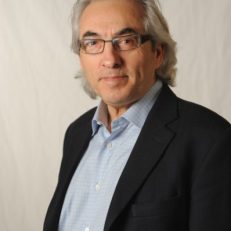

Phil Fontaine
Phil Fontaine is a dedicated and highly respected figure in Canada. He has been instrumental in facilitating change and advancement for First Nations people from the time he was first elected to public office as Chief, at the young age of 28. He is a proud member of the Sagkeeng First Nation in Manitoba and still plays an active role in the support of his community.
In the early 1980’s he was elected to the position of Manitoba Regional Chief for the Assembly of First Nations. When his term expired in 1991, he was elected Grand Chief of the Assembly of Manitoba Chiefs where he served three consecutive terms. He played a key role in the development of Manitoba’s Framework Agreement Initiative, in the defeat of the Meech Lake Accord, and signed an Employment Equity Agreement with 39 federal agencies. In 1997 he stepped onto the national stage where he was elected National Chief of the Assembly of First Nations for an unprecedented three terms in office.
His list of accomplishments as National Chief include signing the Declaration of Kinship and Cooperation of the Indigenous and First Nations of North America, being the first Indigenous leader to address the Organization of American States, leading the successful resolution and settlement of the 150 year Indian residential school tragedy which led to the historical Apology by the Canadian government, the Making Poverty History Campaign, lobbying for the United Nations Declaration on the Rights of Indigenous People, and negotiating a fair and just process for the settlement of Specific land claims.
His belief in creating an inclusive Assembly of First Nations ensured that all information was accessible in both French and English languages, and initiated the Renewal Commission, resulting in a 47 recommendation report on improving the political structure of the AFN, including a universal vote by all First Nations citizens.
Mr. Fontaine has received many awards and honours for his work, including the 1996 National Aboriginal Achievement Award for Public Service, 14 honorary degrees and membership in the Order of Manitoba as well as the Order of Canada.